Paul Flores · 29 September 2026
The Role of Soil Composition in Yielding Superior Biodegradable Floor Coverings
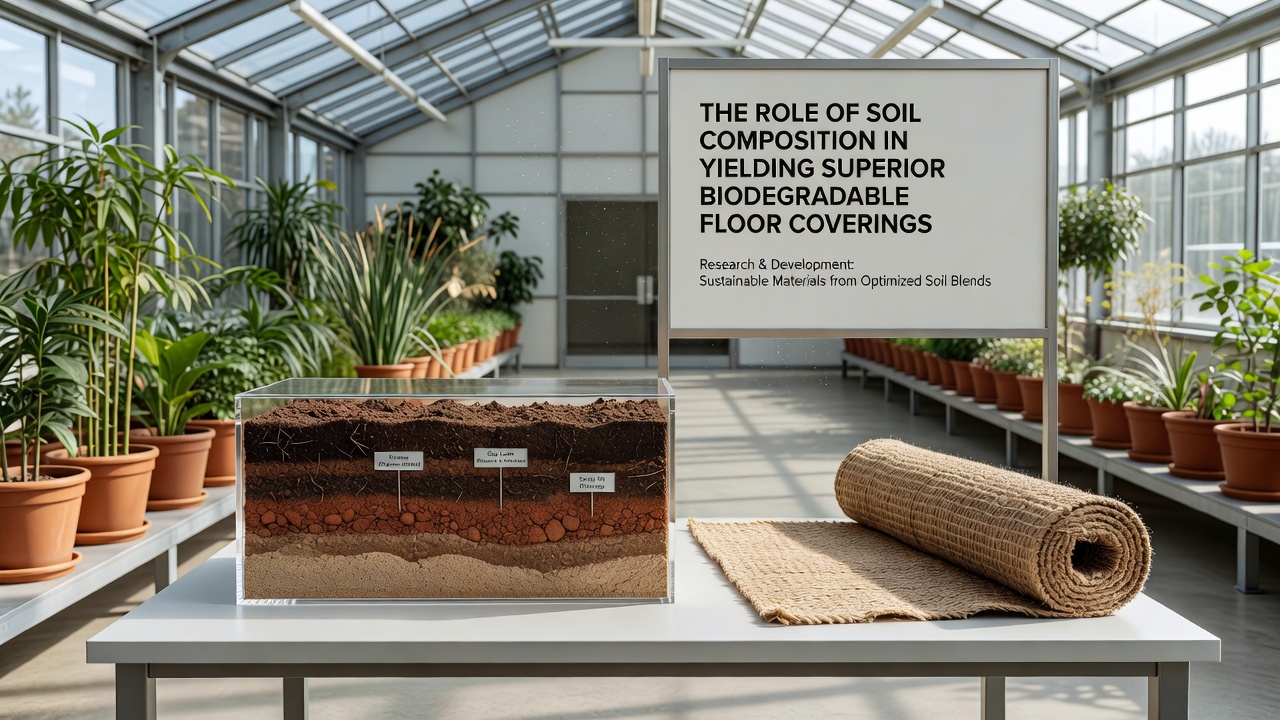
Soil composition plays a direct part in determining the quality of raw materials harvested for biodegradable floor coverings, and researchers have tracked this relationship through field studies across multiple continents. Elements such as mineral content, pH levels, organic matter percentages, and microbial activity shape how plants develop their structural fibers, lignin concentrations, and overall biomass density. These characteristics translate into flooring products that resist wear while breaking down cleanly at the end of their service life.Key Soil Components and Their Effects
Clay, silt, sand ratios set the physical structure that roots encounter, while nitrogen, phosphorus, and potassium availability governs cell wall formation in crops like sisal, jute, and cork oak. Higher calcium content often correlates with thicker fiber bundles, according to data collected by agricultural monitoring programs in North America and Europe. Trace elements including zinc and magnesium influence lignin polymerization, which affects both durability during use and the speed of microbial decomposition once the material is discarded.
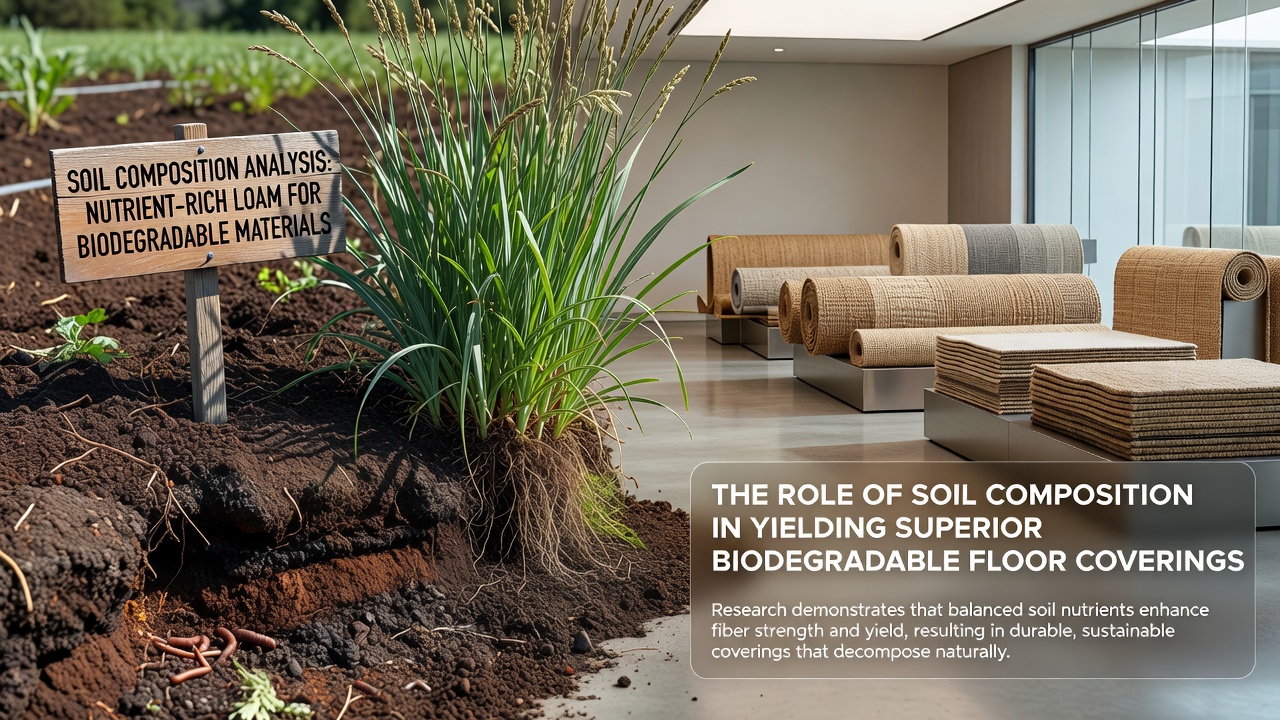
Organic matter percentages above 4 percent typically support denser root systems in perennial grasses used for woven coverings, whereas depleted soils produce thinner strands that require additional processing. Soil pH values between 6.0 and 7.5 generally optimize nutrient uptake for most fiber crops, reducing the need for synthetic amendments that could compromise biodegradability certifications later.
Regional Variations in Material Performance
Comparative trials conducted on plantations in Brazil and parts of Southeast Asia demonstrate measurable differences in tensile strength when identical plant varieties grow in soils with contrasting mineral profiles. In one multi-year project, sisal fibers harvested from high-potassium volcanic soils showed 18 percent greater breaking load than those from sandy coastal plots with lower cation exchange capacity. These findings appear in reports issued by international agricultural research networks that continue to expand datasets through 2026.
September 2026 updates from soil mapping initiatives in Australia highlight how increased microbial diversity in loamy profiles accelerates the breakdown of flooring waste in industrial composting facilities. The same reports note that Australian cork producers working with iron-rich lateritic soils achieve consistent bark thickness that yields more uniform tiles after minimal mechanical treatment.
Processing Implications and Certification Standards
Manufacturers adjust retting and decortication methods according to the initial fiber properties determined by soil conditions, which reduces energy inputs and chemical usage during production. Fibers grown in balanced soils often require shorter retting periods, preserving more natural polymers that support rapid biodegradation under controlled conditions. Certification bodies such as those aligned with the European Union’s circular economy framework evaluate these upstream variables when granting compostability labels.
Supply chain analyses reveal that traceability programs now incorporate soil testing records alongside harvest data to verify claims about end-of-life performance. This approach helps processors predict how quickly discarded tiles or mats will fragment in different composting environments, from municipal facilities in Canada to home composting systems in temperate climates.
Future Monitoring and Data Integration
Remote sensing combined with ground sampling continues to refine models that link specific soil parameters to fiber metrics, enabling growers to select planting sites more strategically. Government agencies in the United States and the European Union maintain open soil databases that flooring material researchers cross-reference with mechanical test results from production batches. These integrated datasets support ongoing adjustments in cultivation practices without relying on synthetic fertilizers that could leave residues affecting biodegradability.
Conclusion
Soil composition directly shapes the mechanical properties and decomposition behavior of plant-based materials used in biodegradable floor coverings. Documented variations in fiber strength, lignin content, and microbial compatibility arise from differences in mineral balance, organic matter levels, and pH across growing regions. Continued collection of field data through 2026 and beyond supplies manufacturers and certification programs with the information needed to match raw material sources to performance requirements and end-of-life standards.