Sofia Russell · 15 September 2026
Tracing the Supply Chain Journey of Sustainable Flooring Materials from Source to Installation
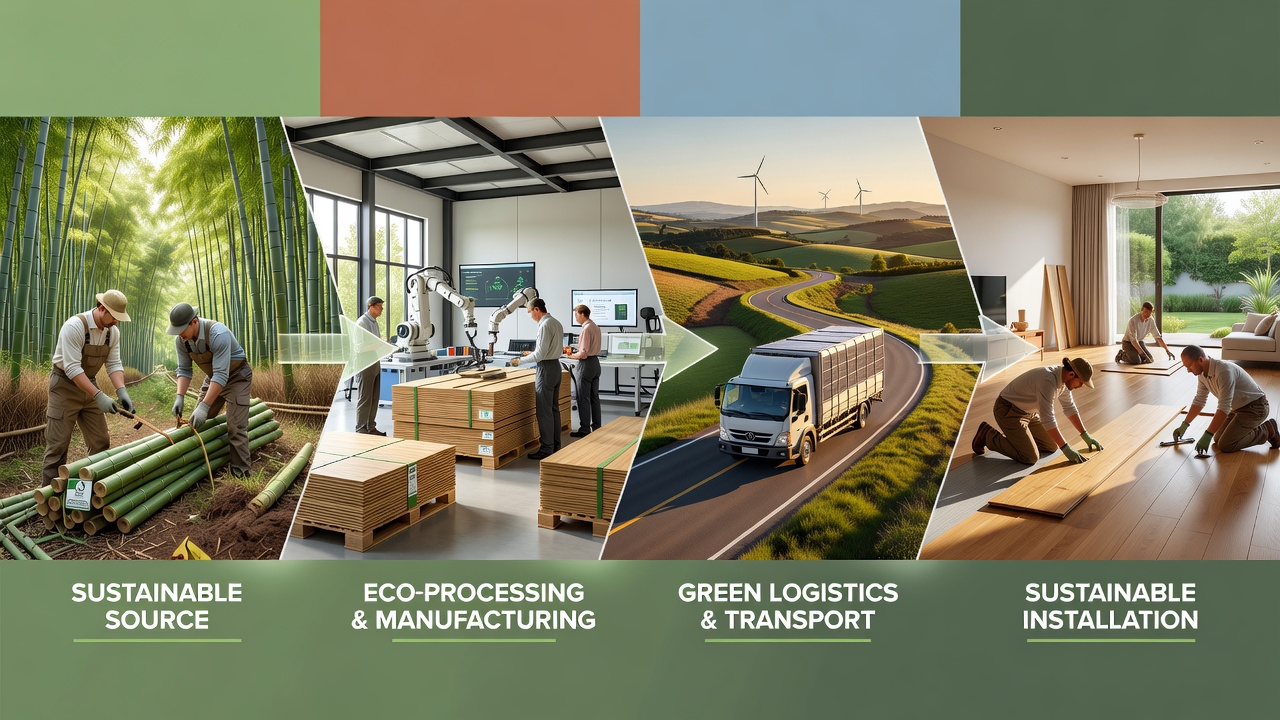
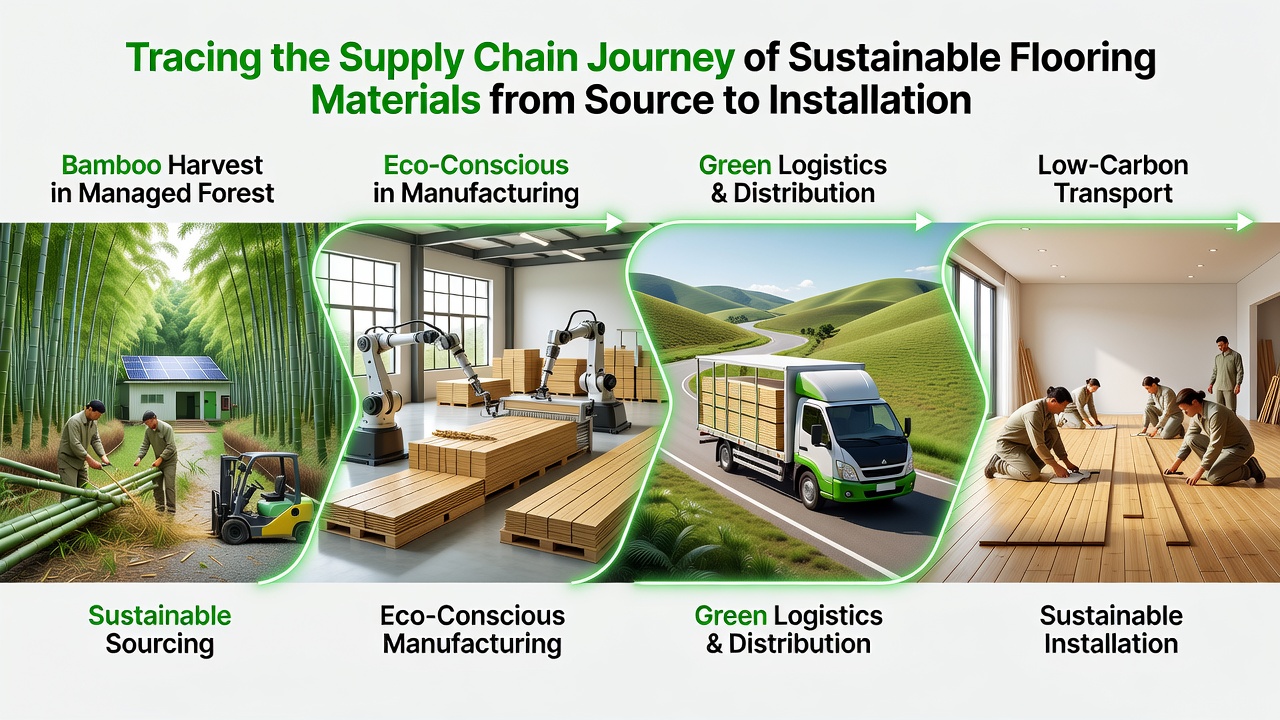
The supply chain for sustainable flooring materials starts at natural resource extraction points and moves through processing facilities, transportation networks, and final installation sites, with each stage relying on verified environmental standards to maintain material integrity. Research from industry reports shows that materials such as bamboo, cork, and reclaimed hardwood follow distinct paths that emphasize renewable harvesting and reduced carbon output compared to conventional options.
Raw Material Sourcing Practices
Harvesting begins in managed forests and plantations where certification programs track tree growth cycles and replanting rates, ensuring that bamboo reaches maturity within three to five years while cork oak bark regenerates every nine years without damaging the tree. Data from the Forest Stewardship Council indicates that certified sources now supply over 30 percent of global sustainable timber flooring inputs, with regional variations showing stronger adoption in Southeast Asia for bamboo and Mediterranean regions for cork. Observers note that suppliers often combine satellite monitoring with on-site audits to verify that soil health and biodiversity remain stable during extraction phases.
Reclaimed wood sourcing adds another layer, drawing from decommissioned buildings and agricultural structures where experts document the wood's age and prior treatment history to avoid contaminants. Studies found that this approach diverts significant volumes from landfills each year, and supply agreements frequently include chain-of-custody paperwork that follows the material forward through every subsequent handler.
Processing and Manufacturing Steps
Once harvested, raw materials travel to regional mills for initial cutting, drying, and grading, where moisture content is reduced to levels that prevent warping during later stages. Manufacturing plants then apply adhesives and finishes that meet low-volatile organic compound requirements, and facilities increasingly rely on closed-loop water systems to minimize discharge. According to figures from the European Environment Agency, energy consumption per square meter of finished cork flooring dropped by 18 percent between 2020 and 2025 in participating plants that adopted biomass-powered kilns.
Quality checks at this point include dimensional accuracy tests and surface hardness measurements, after which boards receive protective packaging made from recycled cardboard. What's interesting is that many producers now integrate blockchain records at the manufacturing stage so that downstream buyers can trace each batch back to its original harvest location with a few clicks.
Transportation and Global Logistics
Finished goods move via container ships, rail, and regional trucking fleets that prioritize consolidated loads to lower fuel use per unit. Ports equipped with shore power allow vessels to reduce engine idling, while rail corridors in North America and Europe handle increasing shares of inland movement. Government statistics from Transport Canada reveal that intermodal shipments of certified wood products grew 12 percent in 2025, reflecting broader shifts toward lower-emission freight options across supply routes.
Inventory management systems at distribution centers monitor stock levels in real time, allowing just-in-time deliveries that cut warehouse dwell time and associated energy costs. Customs documentation travels electronically alongside physical shipments, and third-party verifiers confirm that temperature and humidity controls during transit stay within acceptable ranges for moisture-sensitive materials.
Distribution Networks and Retail Channels
Wholesale distributors receive bulk pallets and break them into smaller orders for retailers and contractors, with many operations now requiring proof of environmental product declarations before accepting new lines. Retail showrooms display samples alongside information on sourcing regions and certification details, while online platforms provide digital chain-of-custody links that customers can review before purchase. Industry associations report that online orders for sustainable flooring increased steadily through 2025, supported by improved last-mile delivery partnerships that use electric vehicles in urban zones.
Installation and Final Verification
Installers receive pre-acclimated materials at job sites where subfloor preparation includes moisture testing and leveling to ensure long-term performance. Techniques vary by product type, with floating installations for engineered boards and adhesive methods for cork tiles, and crews follow manufacturer guidelines to maintain warranty coverage. Post-installation walkthroughs often include documentation of waste segregation, since many suppliers offer take-back programs for offcuts that can be recycled into new production runs.
Conclusion
The complete journey from forest or plantation to finished floor incorporates multiple verification points that collectively support traceability and environmental accountability. Continued adoption of digital tracking tools and regional certification programs suggests that future shipments will carry even more granular data on resource origins and processing impacts, allowing stakeholders across the chain to maintain consistent standards through each transfer.